

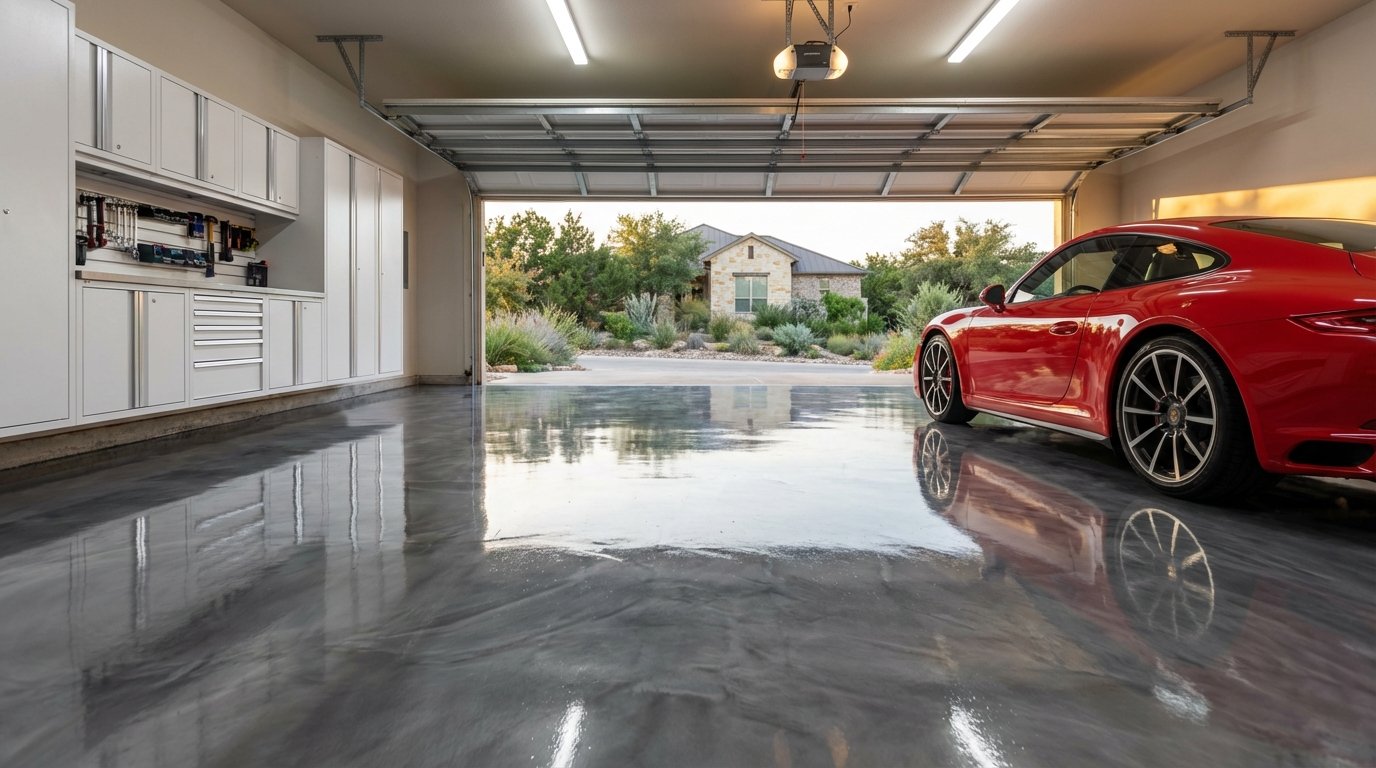
Are you tired of dull, cracked, or outdated floors that drag down the look of your entire home? You are not alone. Thousands of homeowners across Austin, TX, and surrounding areas are discovering that residential epoxy flooring is one of the most powerful, cost-effective upgrades they can make. Whether you want a sleek garage, a stunning kitchen floor, or a polished basement, epoxy delivers beauty and durability that traditional flooring simply cannot match.
In this complete guide, you will learn exactly what residential epoxy flooring is, why it outperforms other options, how the installation process works, what it costs, and how to avoid the most common mistakes homeowners make. You will also find real customer stories, expert tips, and a clear path to getting started.
Ready to see what epoxy can do for your home? Keep reading to discover everything you need to know — and find out why Austin homeowners consistently choose Rio Epoxy Flooring to get the job done right.
Ready to upgrade your floors today? Request your free quote from Rio Epoxy Flooring and get a professional assessment at no cost.
What Is Residential Epoxy Flooring?
Residential epoxy flooring is a high-performance floor coating system made by combining two chemical components — an epoxy resin and a hardener. When mixed and applied to a prepared concrete surface, these components react and bond to form an incredibly hard, smooth, and seamless surface that is far stronger than standard paint or sealant.
Unlike tile, hardwood, or vinyl, epoxy does not sit on top of the floor as a separate layer. It penetrates and bonds directly to the concrete substrate, creating a surface that resists impact, chemicals, moisture, and heavy foot traffic. The result is a floor that looks professionally finished and lasts for decades with minimal upkeep.
Residential epoxy flooring is used in garages, basements, kitchens, laundry rooms, living areas, and even bathrooms. It comes in a wide range of colors, finishes, and decorative styles — from solid colors and metallic effects to flake systems and quartz blends — making it one of the most versatile flooring options available for homeowners today.
If you want to explore the full range of services available for your home, visit the Rio Epoxy Flooring services page for a complete overview.
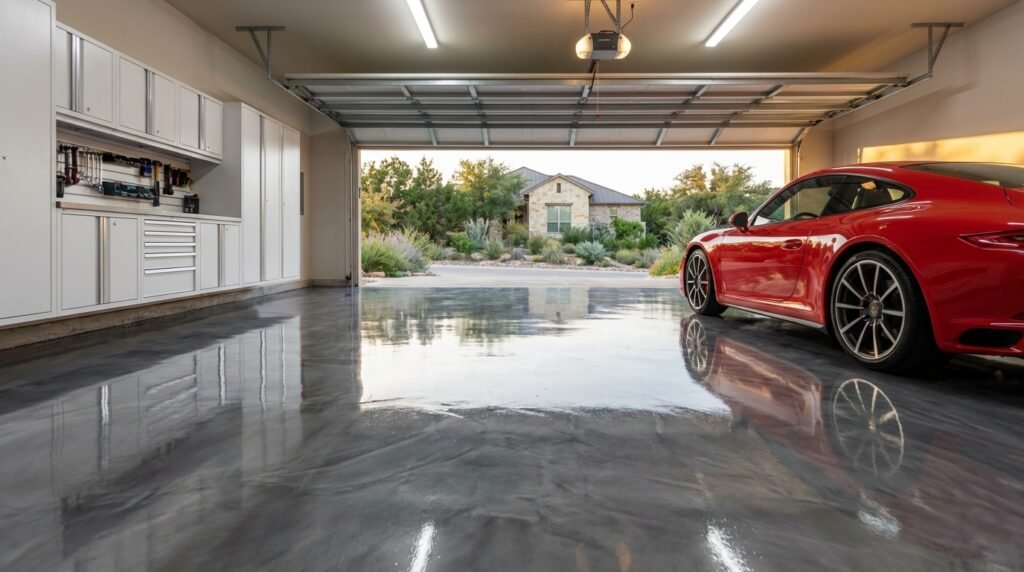
Why Residential Epoxy Flooring Is the Smartest Home Upgrade You Can Make
Homeowners who invest in residential epoxy flooring consistently report that it is one of the best decisions they have made for their property. Here is why this flooring system stands out from every other option on the market.
Unmatched Durability That Lasts for Decades
Epoxy flooring is engineered to withstand the kind of punishment that destroys other floor types. It resists scratches, stains, impact, and chemical spills. In a garage, it handles oil drips, tire marks, and heavy tools without showing wear. In a kitchen or laundry room, it stands up to dropped appliances, water exposure, and constant foot traffic. When properly installed and maintained, a residential epoxy floor can last 15 to 20 years or more.
Easy Maintenance That Saves You Time and Money
One of the most practical advantages of residential epoxy flooring is how easy it is to clean. The seamless, non-porous surface does not trap dirt, dust, or bacteria the way grout lines, carpet fibers, or wood grain does. A simple mop with warm water and a mild cleaner is all it takes to keep an epoxy floor looking brand new. There are no waxes, special sealants, or professional cleaning services required.
Stunning Visual Appeal for Every Room
Modern residential epoxy flooring is not just functional — it is genuinely beautiful. Homeowners can choose from solid color coatings, metallic epoxy with swirling effects, decorative flake systems that mimic granite or terrazzo, and quartz blends that add texture and depth. The high-gloss finish reflects light and makes spaces feel larger and brighter, which is especially valuable in basements and garages.
Increased Home Value
A professionally installed epoxy floor adds measurable value to your property. Real estate professionals note that updated garages and finished basements are among the top features buyers look for. Residential epoxy flooring signals quality, care, and modern design — all of which contribute to a higher perceived and actual home value.
Safety Features Built In
Epoxy floors can be customized with anti-slip additives, making them safer for families with children or elderly members. They are also resistant to mold and mildew, which is a significant health benefit in moisture-prone areas like basements and laundry rooms.
For homeowners in the Austin area looking for a trusted local provider, Rio Epoxy Flooring in Austin has built a strong reputation for delivering all of these benefits with precision and professionalism.
Types of Residential Epoxy Flooring: Which One Is Right for Your Home?
Not all epoxy systems are the same. Choosing the right type for your specific space and lifestyle is essential to getting the best results. Below is a breakdown of the most popular options for residential use.
Solid Color Epoxy Coating
This is the most straightforward and affordable option. A single color is applied in one or two coats over a prepared concrete surface. It is ideal for garages, utility rooms, and basements where a clean, professional look is the priority. Common colors include gray, tan, beige, and white.
Metallic Epoxy Flooring
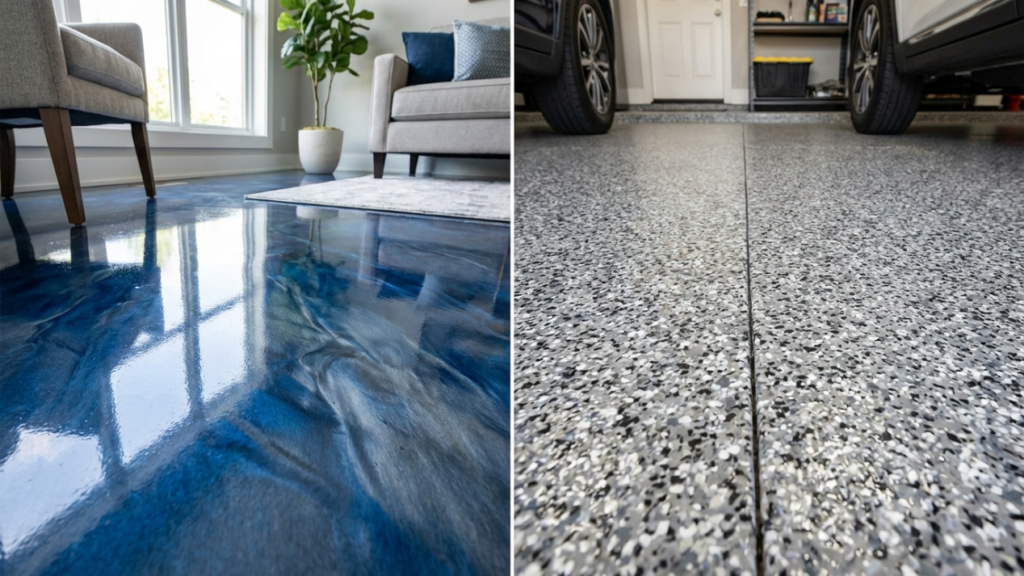
Metallic epoxy uses special pigments that create a three-dimensional, flowing effect that resembles polished stone, molten metal, or ocean waves. No two metallic floors look exactly alike, which makes this option popular for living rooms, kitchens, and showrooms. It is one of the most visually dramatic residential epoxy flooring options available.
Decorative Flake (Chip) Epoxy Systems
Vinyl flakes or chips are broadcast into a wet epoxy base coat, then sealed with a clear topcoat. The result is a textured, multi-colored surface that hides dirt and imperfections well. This system is extremely popular for garages and is one of the most durable options for high-traffic residential areas.
Quartz Epoxy Flooring
Quartz-filled epoxy systems combine colored quartz aggregate with epoxy resin to create a surface that is both beautiful and highly slip-resistant. This makes it an excellent choice for bathrooms, pool decks, and laundry rooms where wet conditions are common. Rio Epoxy Flooring also offers pool resurfacing services that complement quartz epoxy applications around aquatic areas.
Self-Leveling Epoxy
Self-leveling epoxy is poured onto the floor and spreads itself into a perfectly smooth, even surface. It is ideal for floors with minor imperfections or uneven areas. This system is commonly used in basements and commercial kitchens but works beautifully in residential settings as well.
Comparison Table: Residential Epoxy Flooring Types
| Type | Best For | Durability | Cost Range (per sq ft) | Visual Appeal |
|---|---|---|---|---|
| Solid Color Coating | Garages, utility rooms | High | $3 – $5 | Clean, professional |
| Metallic Epoxy | Living rooms, kitchens | Very High | $7 – $12 | Dramatic, unique |
| Decorative Flake System | Garages, basements | Very High | $4 – $7 | Textured, multi-color |
| Quartz Epoxy | Bathrooms, pool areas | Extremely High | $6 – $10 | Natural, slip-resistant |
| Self-Leveling Epoxy | Basements, large areas | High | $5 – $8 | Smooth, seamless |
How Much Does Residential Epoxy Flooring Cost?
Cost is one of the first questions homeowners ask, and it is a fair one. The price of residential epoxy flooring depends on several factors: the size of the area, the type of epoxy system chosen, the condition of the existing concrete, and the level of surface preparation required.
Average Cost Breakdown:
- Basic solid color epoxy: $3 to $5 per square foot
- Decorative flake system: $4 to $7 per square foot
- Metallic epoxy: $7 to $12 per square foot
- Quartz system: $6 to $10 per square foot
- Full garage floor (2-car, approximately 400–500 sq ft): $1,500 to $3,500 installed
These figures include professional labor, surface preparation, primer, base coat, decorative elements, and a protective topcoat. DIY kits are available at lower upfront costs, but they rarely deliver the same durability or appearance as a professionally installed system — and mistakes can be costly to fix.
Rio Epoxy Flooring offers flexible financing options to help Austin homeowners get the floor they want without financial stress. Spreading the investment over manageable payments makes professional residential epoxy flooring accessible for virtually any budget.
For a precise quote tailored to your specific space, contact the Rio Epoxy Flooring team directly.
Step-by-Step: How Residential Epoxy Flooring Is Installed
Understanding the installation process helps you set realistic expectations and ensures you can evaluate the quality of any contractor you hire. Here is how a professional residential epoxy flooring installation works from start to finish.
Step 1: Surface Inspection and Assessment
Before any product is applied, a professional installer evaluates the existing concrete for cracks, moisture issues, previous coatings, and surface profile. This step is critical. Epoxy will not bond properly to a surface that is contaminated, too smooth, or moisture-compromised.
Step 2: Concrete Surface Preparation
This is the most important step in the entire process. The concrete must be mechanically ground or shot-blasted to open the pores of the surface and create a profile that allows the epoxy to bond. Any cracks or divots are filled with epoxy filler or patching compound. Dust and debris are thoroughly removed.
Skipping or rushing this step is the number one cause of epoxy floor failure. A reputable contractor will never cut corners here.
Step 3: Primer Application
A penetrating epoxy primer is applied to the prepared surface. The primer seals the concrete, prevents outgassing (air bubbles rising through the epoxy), and creates a strong foundation for the subsequent coats.
Step 4: Base Coat Application
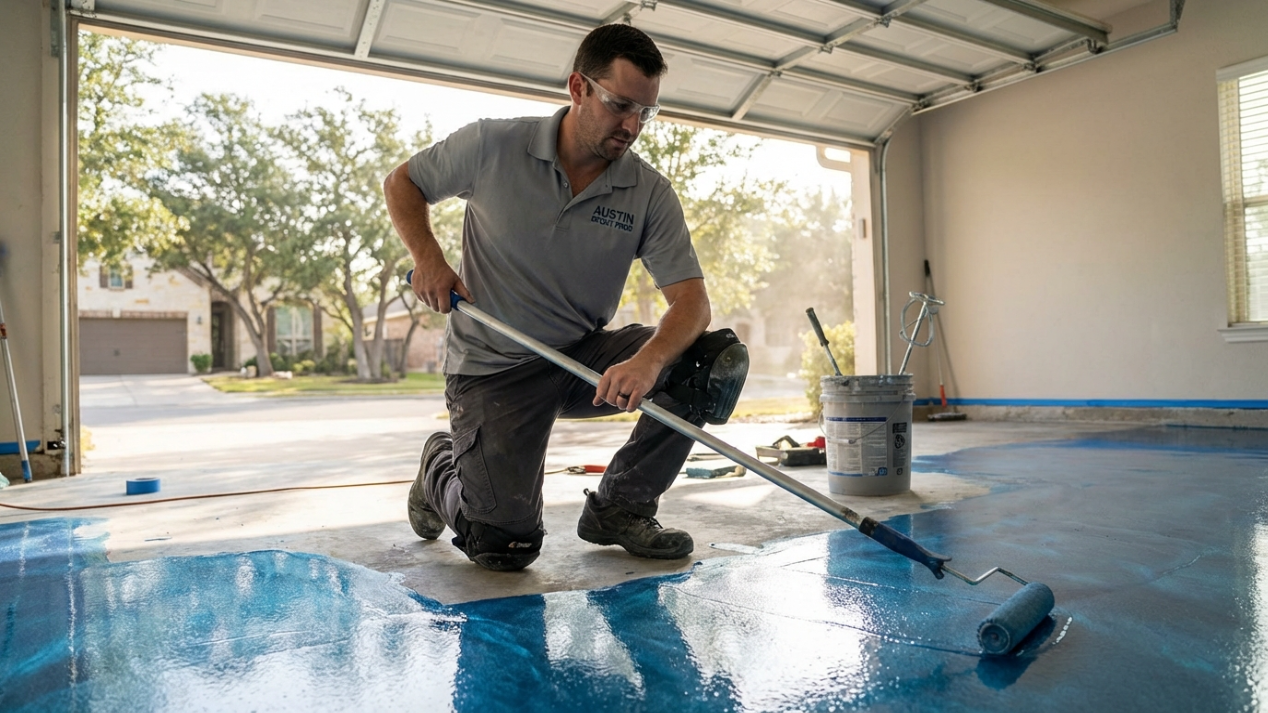
The main epoxy base coat is applied using rollers or squeegees. For decorative systems, vinyl flakes or metallic pigments are added at this stage. The base coat is allowed to cure for the specified time before the next layer is applied.
Step 5: Decorative Elements (If Applicable)
For flake systems, chips are broadcast by hand across the wet base coat until the desired coverage is achieved. For metallic systems, pigments are manipulated with tools to create the desired swirling effect. For quartz systems, aggregate is broadcast and pressed into the wet epoxy.
Step 6: Topcoat Application
A clear polyurethane or polyaspartic topcoat is applied over the cured base coat. This layer provides UV stability, scratch resistance, chemical resistance, and the final gloss level. Most residential epoxy flooring systems use two topcoat layers for maximum protection.
Step 7: Curing and Final Inspection
The floor is allowed to cure fully — typically 24 to 72 hours for light foot traffic and up to 7 days for full vehicle or heavy load use. A final inspection ensures the surface is even, free of defects, and meets the homeowner’s expectations.
The team at Rio Epoxy Flooring follows this exact process on every residential project, ensuring consistent, high-quality results across Austin and surrounding communities.
Thinking about upgrading your floors? Explore Rio Epoxy Flooring’s residential solutions and see the full range of options available for your home. Call us at (737) 307-1888 — Mon–Sat, 8am–5pm.
Residential Epoxy Flooring for Every Room in Your Home
One of the most underappreciated aspects of residential epoxy flooring is its versatility. It is not just for garages. Here is how epoxy performs in different areas of the home.
Garage Epoxy Flooring
The garage is the most popular application for residential epoxy flooring, and for good reason. Epoxy transforms a stained, bare concrete garage floor into a clean, professional-looking surface that resists oil, chemicals, tire marks, and heavy equipment. A decorative flake system is the most popular choice for garages because of its durability and ability to hide minor dirt between cleanings.
If your garage floor is your priority, visit the dedicated garage flooring epoxy page to learn more about what Rio Epoxy Flooring can do for that space specifically.
Basement Epoxy Flooring
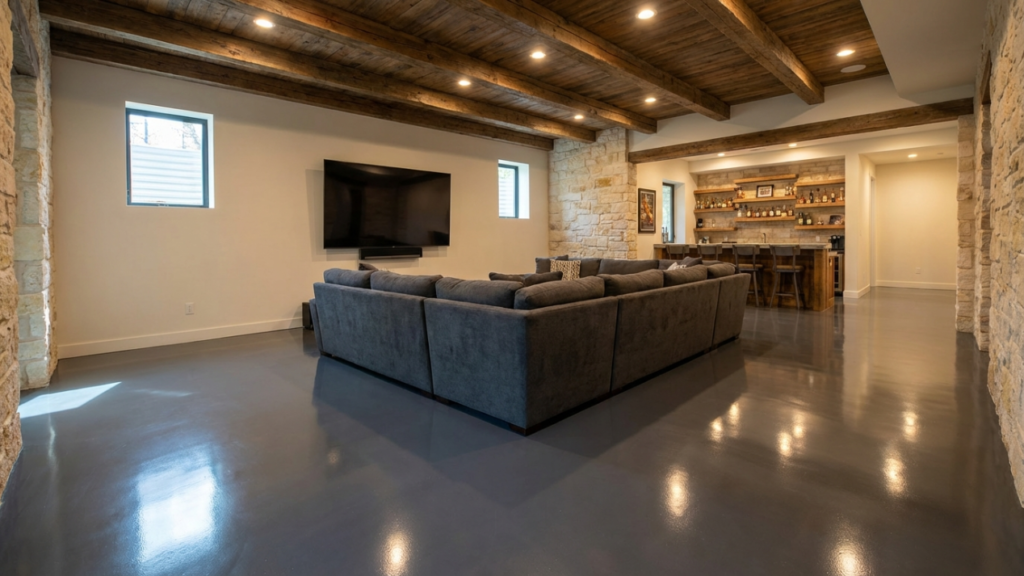
Basements present unique challenges: moisture, limited natural light, and often uneven or damaged concrete. Residential epoxy flooring addresses all of these issues. A moisture-mitigating primer prevents water vapor from compromising the coating, while the high-gloss finish reflects light and makes the space feel more open. Basements finished with epoxy become genuinely livable spaces — home gyms, entertainment rooms, and workshops all benefit enormously.
Kitchen and Living Area Epoxy Flooring
Metallic and self-leveling epoxy systems are increasingly popular in kitchens and open-plan living areas. The seamless surface is hygienic, easy to clean, and visually striking. Homeowners who want a modern, industrial-chic aesthetic find that residential epoxy flooring delivers exactly that look without the maintenance demands of polished concrete or the fragility of tile.
Laundry Room and Utility Space Epoxy Flooring
These high-moisture, high-traffic areas benefit from epoxy’s water resistance and easy-clean surface. A quartz or flake system with anti-slip additives is the ideal choice for laundry rooms, mudrooms, and utility spaces.
Bathroom Epoxy Flooring
Epoxy can be applied in bathrooms when proper moisture management and anti-slip additives are used. The result is a seamless, grout-free surface that is far more hygienic than tile and dramatically easier to maintain.
Real Customer Stories: What Austin Homeowners Say About Rio Epoxy Flooring
Nothing speaks louder than the experience of real customers. Here are verified reviews from homeowners who have worked with Rio Epoxy Flooring:
“I had my garage floor done by Rio Epoxy Flooring and I could not be happier. The crew was professional, on time, and the finished floor looks absolutely incredible. I have gotten more compliments on my garage than on anything else in my house. Highly recommend.” — James T., Austin, TX (Google Review)
“We were nervous about the process but the team at Rio walked us through everything. They prepped the floor properly, which I know matters a lot, and the metallic finish they installed in our basement is stunning. It completely transformed the space.” — Maria L., Round Rock, TX (Google Review)
“Excellent work, fair pricing, and they cleaned up perfectly when they were done. Our laundry room floor looks like something out of a magazine. We are already planning to have them do the garage next.” — David R., Georgetown, TX (Yelp Review)
You can read more verified reviews on Rio Epoxy Flooring’s Yelp page or find them on Google Maps.
Rio Epoxy Flooring serves homeowners across the greater Austin area, including Lakeway, Leander, Round Rock, Georgetown, Dripping Springs, Killeen, Temple, West Lake Hills, Rollingwood, Barton Creek, Sunset Valley, Lost Creek, and Kempner. View the full areas served page to confirm service availability in your neighborhood.
Common Mistakes Homeowners Make With Residential Epoxy Flooring
Knowing what not to do is just as important as knowing what to do. These are the most frequent errors that lead to poor results or premature floor failure.
Skipping Proper Surface Preparation
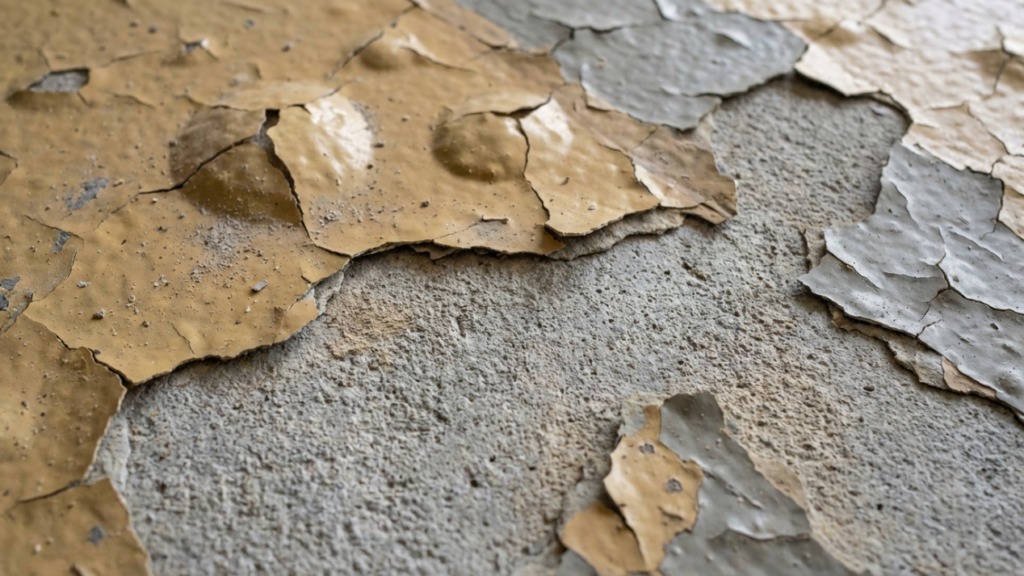
This is the single most common and most damaging mistake. Applying epoxy over a dirty, smooth, or moisture-compromised surface will result in peeling, bubbling, and delamination within months. Professional surface preparation — including mechanical grinding and moisture testing — is non-negotiable.
Using Low-Quality DIY Kits
Big-box store epoxy kits are tempting because of their low price, but they typically use water-based formulas with low solids content. These products do not penetrate or bond the way professional-grade 100% solids epoxy does. The result is a floor that looks good for a few months and then begins to peel and chip.
Applying Epoxy in Unfavorable Conditions
Temperature and humidity matter enormously during epoxy installation. Applying epoxy when the concrete is too cold, too hot, or when humidity is too high will compromise the chemical reaction and the final bond. Professional installers monitor conditions carefully and adjust their process accordingly.
Ignoring Moisture Testing
Concrete slabs, especially in basements and ground-level areas, can emit moisture vapor that destroys epoxy adhesion from below. A calcium chloride test or relative humidity probe test should always be performed before installation. If moisture levels are too high, a moisture-mitigating primer must be used.
Choosing the Wrong System for the Application
Not every epoxy system is appropriate for every space. Using a standard garage coating in a bathroom without anti-slip additives, for example, creates a serious safety hazard. Matching the system to the specific demands of the space is essential.
How to Maintain Your Residential Epoxy Floor and Keep It Looking New
Proper maintenance extends the life of your residential epoxy flooring and keeps it looking its best for years. The good news is that epoxy is one of the easiest floors to maintain.
Daily and Weekly Maintenance:
- Sweep or dust mop regularly to remove grit and debris that can cause micro-scratches over time
- Mop with warm water and a pH-neutral cleaner as needed
- Wipe up spills promptly, especially acidic substances like vinegar or citrus-based cleaners
- Use soft-bristle brooms rather than stiff brushes that can dull the finish
Annual and Long-Term Care:
- Inspect the topcoat annually for signs of wear, especially in high-traffic zones
- Apply a fresh topcoat every 5 to 10 years depending on traffic levels and wear
- Avoid dragging heavy, sharp objects across the surface
- Place felt pads under furniture legs to prevent point-load scratches
What to Avoid:
- Harsh chemical cleaners, bleach, or ammonia-based products
- Steam mops, which can soften the topcoat over time
- Prolonged standing water in areas without proper drainage
Following these simple guidelines will keep your residential epoxy flooring performing and looking like new for 15 to 20 years or more.
Residential Epoxy Flooring vs. Other Flooring Options: A Clear Comparison
Homeowners often ask how residential epoxy flooring compares to other popular options. Here is an honest, side-by-side look.
| Feature | Epoxy Flooring | Hardwood | Tile | Vinyl Plank | Polished Concrete |
|---|---|---|---|---|---|
| Durability | Excellent | Moderate | Good | Moderate | Excellent |
| Water Resistance | Excellent | Poor | Good | Good | Excellent |
| Maintenance | Very Easy | High | Moderate | Easy | Moderate |
| Installation Cost | Moderate | High | Moderate | Low | High |
| Lifespan | 15–20+ years | 10–25 years | 20+ years | 5–15 years | 20+ years |
| Customization | Very High | Low | Moderate | Low | Moderate |
| Slip Resistance | Adjustable | Moderate | Varies | Moderate | Low |
People Also Ask: Answers to Common Questions About Residential Epoxy Flooring
People Also Ask (PAA) questions identified for this topic:
- Is epoxy flooring good for homes?
- How long does residential epoxy flooring last?
- What are the disadvantages of epoxy flooring?
- Can epoxy flooring be used in all rooms?
- How much does it cost to epoxy a house floor?
Frequently Asked Questions About Residential Epoxy Flooring
Is residential epoxy flooring slippery?
Standard epoxy has a smooth, glossy finish that can be slippery when wet. However, anti-slip additives such as aluminum oxide, sand, or polymer grit can be mixed into the topcoat to create a surface that meets or exceeds standard slip-resistance requirements. This is especially important for bathrooms, laundry rooms, and pool areas. Always discuss anti-slip options with your installer before the project begins.
How long does residential epoxy flooring last?
When professionally installed on a properly prepared surface, residential epoxy flooring typically lasts 15 to 20 years in residential settings. Garage floors with heavy vehicle traffic may require a topcoat refresh after 7 to 10 years. The longevity of the floor depends heavily on the quality of the installation, the type of system used, and how well the floor is maintained. You can find more answers on the Rio Epoxy Flooring FAQ page.
Can epoxy flooring be installed over existing tile or hardwood?
In most cases, epoxy flooring should be applied directly to concrete. Existing tile or hardwood must typically be removed first to allow proper surface preparation and bonding. In some situations, a skim coat or self-leveling underlayment can be used to create a suitable substrate, but this adds cost and complexity. A professional assessment is always recommended.
What is the difference between epoxy and polyurea flooring?
Epoxy is a two-component system that offers excellent adhesion, durability, and customization. Polyurea is a newer coating technology that cures faster and offers superior UV stability and flexibility. Many professional installers, including Rio Epoxy Flooring, use hybrid systems that combine an epoxy base coat with a polyurea or polyaspartic topcoat to get the best of both materials.
Does residential epoxy flooring add value to a home?
Yes. A professionally installed epoxy floor in a garage, basement, or living area adds both functional and aesthetic value to a home. Updated garages and finished lower levels are consistently cited by real estate professionals as features that attract buyers and support higher asking prices. The return on investment for residential epoxy flooring is generally considered strong relative to its installation cost.
Why Austin Homeowners Choose Rio Epoxy Flooring
Rio Epoxy Flooring is a locally owned and operated flooring company based in Austin, TX, serving homeowners and businesses across the greater Central Texas region. The company has built its reputation on professional craftsmanship, transparent pricing, and a genuine commitment to customer satisfaction.
Located at 823 Congress Ave., Austin, TX 78701, Rio Epoxy Flooring is available Monday through Saturday, 8am to 5pm. You can reach the team by phone at (737) 307-1888 or by email at contact@rioepoxyflooring.
In addition to residential epoxy flooring, Rio Epoxy Flooring offers commercial epoxy flooring in Austin, custom countertops, and pool resurfacing — making it a comprehensive solution for homeowners who want a consistent, high-quality finish throughout their property.
You can also follow Rio Epoxy Flooring on LinkedIn and watch project videos on their YouTube channel to see real installations and get inspired for your own project.
Whether you are in the heart of Austin near Barton Springs, in the growing suburbs of Round Rock and Georgetown, or in communities like Lakeway and Dripping Springs, Rio Epoxy Flooring brings the same level of quality and professionalism to every project.
Transform Your Home With Residential Epoxy Flooring
Residential epoxy flooring is not just a flooring upgrade — it is a transformation. It turns worn, stained, or uninspiring concrete into a surface that is beautiful, durable, easy to maintain, and genuinely adds value to your home. From garages and basements to kitchens and bathrooms, epoxy delivers performance and aesthetics that no other flooring system can match at the same price point.
Throughout this guide, you have learned what residential epoxy flooring is, the different types available, how much it costs, how it is installed, how to maintain it, and how it compares to other flooring options. You have also seen why homeowners across Austin and Central Texas trust Rio Epoxy Flooring to deliver outstanding results on every project.
The next step is simple: get a professional assessment of your space and find out exactly what residential epoxy flooring can do for your home.
Ready to transform your floors? Contact Rio Epoxy Flooring today for your free, no-obligation quote. Call (737) 307-1888, email contact@rioepoxyflooring.
Local Service Areas
Rio Epoxy Flooring proudly serves homeowners throughout Central Texas, including Austin, Round Rock, Georgetown, Leander, Lakeway, Dripping Springs, West Lake Hills, Rollingwood, Barton Creek, Sunset Valley, Lost Creek, Killeen, Temple, and Kempner. View all areas served.
Business Information: Rio Epoxy Flooring 823 Congress Ave., Austin, TX 78701 Phone: (737) 307-1888 Email: contact@rioepoxyflooring.