

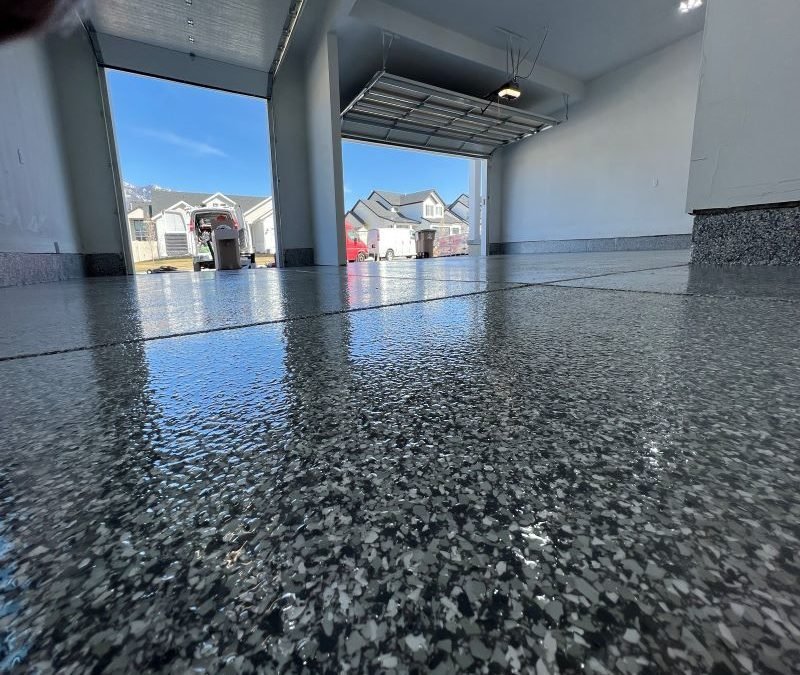
Why Polyurea Garage Floors Are a Better Garage Upgrade Than Epoxy
Polyurea garage floors are fast-curing, professional coating systems designed to bond tightly to prepared concrete and resist hot tires, oil, chemicals, dust, and daily wear. Compared with traditional epoxy or garage-floor paint, a polyurea basecoat paired with a UV-stable polyaspartic topcoat is more flexible, less likely to yellow in strong sun, and can often be installed in one day.
For Austin-area garages, the result matters: fewer stains, easier cleanup, and a premium flake finish that can hold up for 15 years or more when the slab is correctly diamond-ground, repaired, and coated.
The key is not just the coating material. A durable floor starts with removing weak concrete and contaminants, opening the slab’s pores through mechanical grinding, then applying the right system for the space. Skipping prep is one of the main reasons paint and poorly installed epoxy floors peel.
I am Roger Aguiar, a digital marketing strategist with more than seven years of experience helping service businesses explain durable home upgrades, including polyurea garage floors, in clear, practical terms. In this guide, we will compare polyurea and epoxy so you can make a confident long-term flooring decision.

Performance Breakdown: Why Polyurea Garage Floors Outperform Traditional Epoxy
When homeowners look to upgrade their dull, stained concrete slabs, they usually start by weighing polyurea versus traditional epoxy performance. While standard epoxy coatings have served the market for decades, modern polyurea chemistry delivers significant physical and mechanical advantages that solve traditional epoxy’s biggest pain points.
The core differentiator lies in molecular flexibility and elongation properties. Traditional epoxy dries into a very hard, rigid matrix. As temperatures shift throughout the year, concrete slabs expand and contract. Because epoxy lacks significant elongation, continuous thermal movement creates microscopic stress fractures beneath the surface. Over time, this causes delamination, especially under heavy vehicle loads. Polyurea, by contrast, provides up to 300% greater elongation than standard epoxy. It flexes naturally alongside the concrete slab without snapping its chemical bond.
| Performance Attribute | Pure Polyurea / Polyaspartic System | Traditional Epoxy System | Standard DIY Garage Floor Paint |
|---|---|---|---|
| Cure Time to Foot Traffic | 4 to 8 hours | 24 to 48 hours | 12 to 24 hours |
| Full Vehicle Return-to-Service | 24 to 48 hours | 5 to 7 days | 3 to 5 days |
| Flexibility / Elongation | High (tolerates slab movement) | Rigid (brittle under stress) | Very Low (chips easily) |
| Hot Tire Pickup Resistance | Exceptional (chemical fusion) | Moderate (prone to softening) | Poor (fails rapidly) |
| UV Stability | 100% UV-stable (will not yellow) | Prone to ambering / chalking | Variable / low fade resistance |
| Chemical & Oil Resistance | High (impervious to fluids) | Moderate to High | Low (stains penetrate) |
| Expected Service Life | 15+ years | 3 to 5 years | 1 to 2 years |
Another common headache with traditional coatings is hot tire pickup. When you pull into your garage after driving on hot summer asphalt, tires transfer intense localized heat straight to the floor. As tires cool, they contract, grabbing hold of rigid coatings and pulling them right off the concrete. Polyurea’s superior thermal threshold and high tensile strength prevent this failure mechanism entirely, actively preventing heat-induced floor peeling during extreme seasonal heatwaves.
Chemical and Thermal Resistance Under Extreme Climate Conditions
Polyurea and polyaspartic coatings utilize advanced 100% solids technology. Unlike water-based paints or solvent-heavy epoxies that shrink as carriers evaporate, 100% solids systems cross-link densely during application. This tight molecular lattice prevents automotive fluids—including corrosive brake fluid, synthetic motor oil, battery acid, road salts, and anti-freeze—from penetrating the surface.

Furthermore, direct sunlight pouring into open garage bays exposes conventional coatings to severe ultraviolet degradation. Standard epoxy resin degrades under direct UV exposure, causing ambering, yellowing, and surface chalking within just a few years. When we cap our polyurea base systems with an industrial-grade aliphatic polyaspartic topcoat, the entire assembly becomes completely UV-stable. Even in regions with relentless sun exposure, your floor retains its vibrant color, crystal clarity, and high-gloss sheen year after year.
How Much Do Polyurea Garage Floors Cost Compared to Epoxy?
When estimating garage floor coating costs, homeowners frequently notice that polyurea and polyaspartic systems command a slightly higher upfront investment per square foot than entry-level epoxy paint kits. However, evaluating the total cost of ownership tells a completely different story.
Entry-level DIY kits or cheap contractor coatings might look budget-friendly on day one, but they often require strip-and-recoat procedures every 2 to 4 years due to chipping, yellowing, or hot tire delamination. Professional polyurea installations, backed by high-grade resin chemistry, routinely achieve service lifespans of 15 years or more with virtually zero intermediate repairs.
When evaluating professional coating quotes, factor in:
- The thickness and solids content of the basecoat and clear coat.
- The inclusion of mechanical diamond grinding versus ineffective chemical acid etching.
- The return-to-service speed, which minimizes displacement and storage rental expenses.
- The comprehensive warranty coverage, protecting you against hot tire pickup, peeling, and moisture failure.
The Installation Process: From Slab Prep to Rapid Curing
The single most critical phase of any high-performance floor installation happens before a single drop of polyurea touches the concrete. Even the most advanced resin formulations will fail prematurely if bonded to a dirty, smooth, or weak concrete surface.
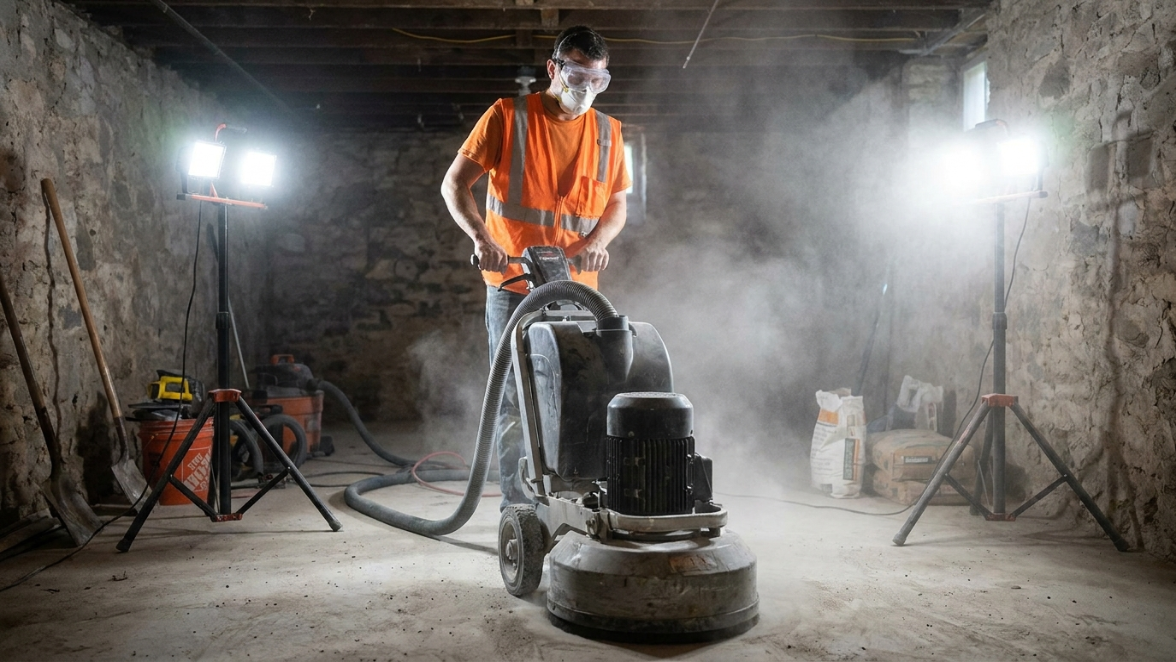
Professional installers prepare the concrete substrate to achieve an International Concrete Repair Institute (ICRI) Concrete Surface Profile (CSP) of CSP-2 or CSP-3. We utilize heavy planetary diamond grinders equipped with integrated HEPA dust-extraction units. This mechanical grinding eliminates laitance (the weak, powdery top layer of cured concrete), opens up the deep pores of the slab, and profiles the surface to a sandpaper-like texture so the low-viscosity polyurea basecoat can physically penetrate and anchor deep within the substrate.
We also perform comprehensive moisture testing to ensure hydrostatic pressure will not compromise the resin system, adhering to strict industry prep standards identical to those used in winter slab prep and crack repair.

Slab Restoration: Repairing Deep Cracks and Heavy Oil Stains
Old, worn garages rarely feature pristine concrete. Decades of heavy vehicle storage often leave deep fissures, pitting, spalling, and embedded motor oil pools. Successful coating requires systematic slab restoration:
- Mechanical Degreasing and Grinding: We grind through surface contamination and apply specialized emulsifying degreasers to extract stubborn, sub-surface petroleum oils.
- Deep Crack Routing: Structural cracks and expansion joints are opened with diamond crack-chaser blades to create clean bonding channels.
- High-Strength Polyurea Mender Application: We inject low-viscosity polyurea crack mender and pit filler directly into the damaged channels. Unlike brittle cement patchers, polyurea menders cure stronger than the surrounding concrete within minutes, bonding the slab into a uniform, level plane.
- Flush Grinding: Once cured, the repaired areas are ground flush with the primary floor, producing an ultra-smooth, seamless foundation ready for basecoat application.
Case Study: Transforming Damaged Slabs with Polyurea Garage Floors
To demonstrate how these systems perform under real-world conditions, consider a recent 500-square-foot residential two-car garage project. The original concrete slab suffered from extensive oil soaking under two engine bays, multiple spiderweb cracks, and severe surface pitting.
Our crew arrived on-site in the morning, executing a full diamond grind across the 500-square-foot footprint while simultaneously treating oil stains and filling damaged joints with fast-curing polyurea filler. Once vacuumed completely clean, we rolled out a pure polyurea basecoat.
Because polyurea penetrates deep into the concrete capillaries before curing, it establishes an unbreakable mechanical root system. Immediately following basecoat application, we broadcast decorative color flakes to complete rejection, ensuring full-coverage color, durability, and texture.
After scraping away excess loose flakes, we sealed the entire floor with a high-solids clear polyaspartic topcoat. The homeowner was able to walk on their transformed garage floor later that evening and parked both vehicles back inside within 48 hours—a swift turnaround compared to standard commercial and residential installation timelines for traditional multi-day epoxy jobs.
Design Customization and Long-Term Surface Maintenance
Polyurea systems provide high design versatility alongside exceptional mechanical durability. By broadcasting decorative vinyl flakes to complete saturation (known as a full broadcast), we create a seamless granite or terrazzo look that hides subfloor imperfections, masks surface dust between cleanings, and introduces built-in slip resistance.
Homeowners can customize their design with a wide spectrum of custom flake flooring system options, ranging from sleek modern grays and earth-toned tans to bold multi-color blends. The resulting floor provides an upscale, showroom aesthetic that transforms a standard utility space into a clean extension of the living home.
Routine Cleaning and Maintenance Practices
Maintaining a polyurea-coated garage floor requires very little effort because the impervious polyaspartic topcoat prevents dirt, automotive fluids, and grime from bonding to the surface.
To keep your floor looking brand new:
- Weekly Dust Mopping: Use a dry microfiber dust mop or soft-bristle broom to sweep away loose dirt, dust, and outdoor debris.
- Damp Mopping: For general cleaning, mix a mild, neutral-pH cleaner with warm water. Avoid harsh acidic solutions, bleach, or aggressive citrus-based degreasers, which can leave a hazy residue over time.
- Spill Management: Wipe up motor oil, brake fluid, or chemical spills promptly with a shop rag or paper towel.
- Deep Cleans: For seasonal deep cleans, spray down the floor with a garden hose, agitate lightly with a soft foam deck brush, and pull excess water toward the garage door using a foam squeegee.
Following these simple practices aligns with our standard heat care and maintenance guide, keeping your high-gloss protective finish brilliant and durable for decades.
Frequently Asked Questions About Garage Floor Coatings
Can polyurea coatings bond over old oil-stained concrete?
Yes, provided the concrete receives proper mechanical preparation. Planetary diamond grinding physically strips away the contaminated surface layer to expose clean, unsoiled concrete capillaries. For slabs with deep petroleum saturation, we treat the affected spots with targeted chemical degreasers before grinding and apply moisture/oil-tolerant basecoats that securely anchor into the open pores.
How soon can vehicles drive on a newly coated polyurea floor?
Most polyurea basecoat and polyaspartic topcoat systems allow light foot traffic within 4 to 8 hours after project completion. We recommend waiting 24 hours before moving heavy storage racks, toolboxes, or patio furniture back inside, and 48 hours before parking vehicles on the surface. This rapid cross-linking timeline significantly minimizes garage downtime.
What is the typical lifespan and warranty for polyurea systems?
A professionally installed polyurea and polyaspartic flake system routinely lasts 15 years or more under active residential use. Because polyurea remains flexible throughout its service life and resists thermal degradation, high-quality installations typically include robust lifetime residential warranties that cover peeling, hot tire pickup, and delamination.
Conclusion
Upgrading your garage with a high-performance polyurea floor coating is one of the most durable, functional, and visually rewarding investments you can make for your home. By combining the unmatched adhesion, elasticity, and fast-curing properties of a pure polyurea basecoat with the crystal-clear, UV-stable protection of an industrial polyaspartic topcoat, you permanently eliminate the peeling, cracking, and yellowing vulnerabilities common to standard garage paints and older epoxy formulations.
At Rio Epoxy Flooring, our family-owned team brings specialized installation expertise, low-VOC eco-friendly formulations, rapid 48-hour vehicle return-to-service timelines, and lifetime warranty backing to every project we complete. If you are ready to eliminate concrete dust, hide stubborn oil stains, and convert your garage into a showroom-quality space, explore our professional garage floor coating solutions today to schedule your complimentary on-site evaluation and written estimate.